The New Playbook for Audience Ownership in 2026: What It Really Takes Now
Owning the audience used to sound aspirational. Today, it’s non-negotiable.
At Arc XP Connect NYC, one message came through clearly: if you’re still relying on platforms, legacy workflows, or yesterday’s definitions of success, you’re already behind. Platforms are unstable, algorithms are opaque, AI is accelerating everything, and audience trust is harder to earn than ever.
This panel didn’t offer platitudes. It offered reality.
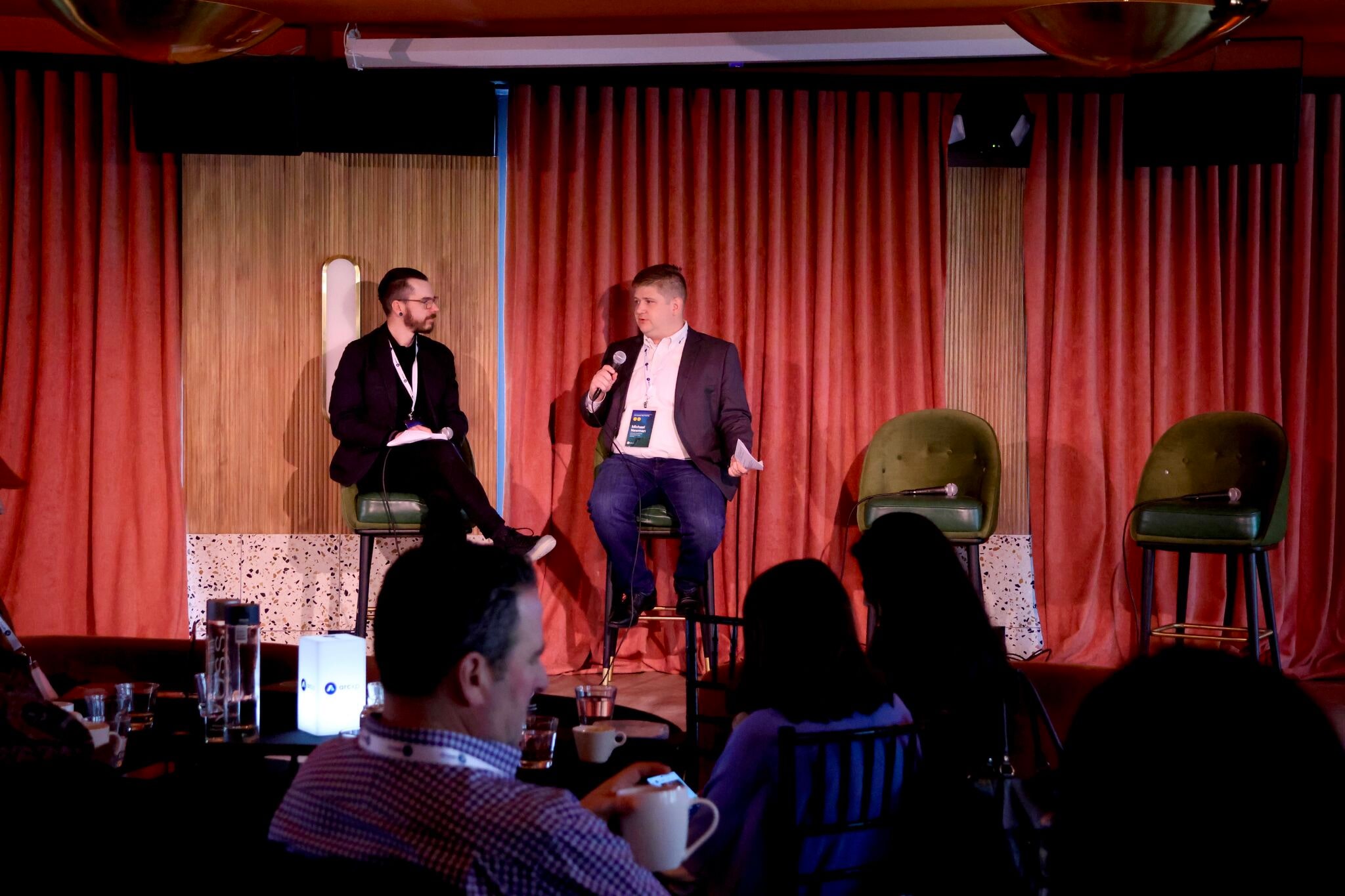
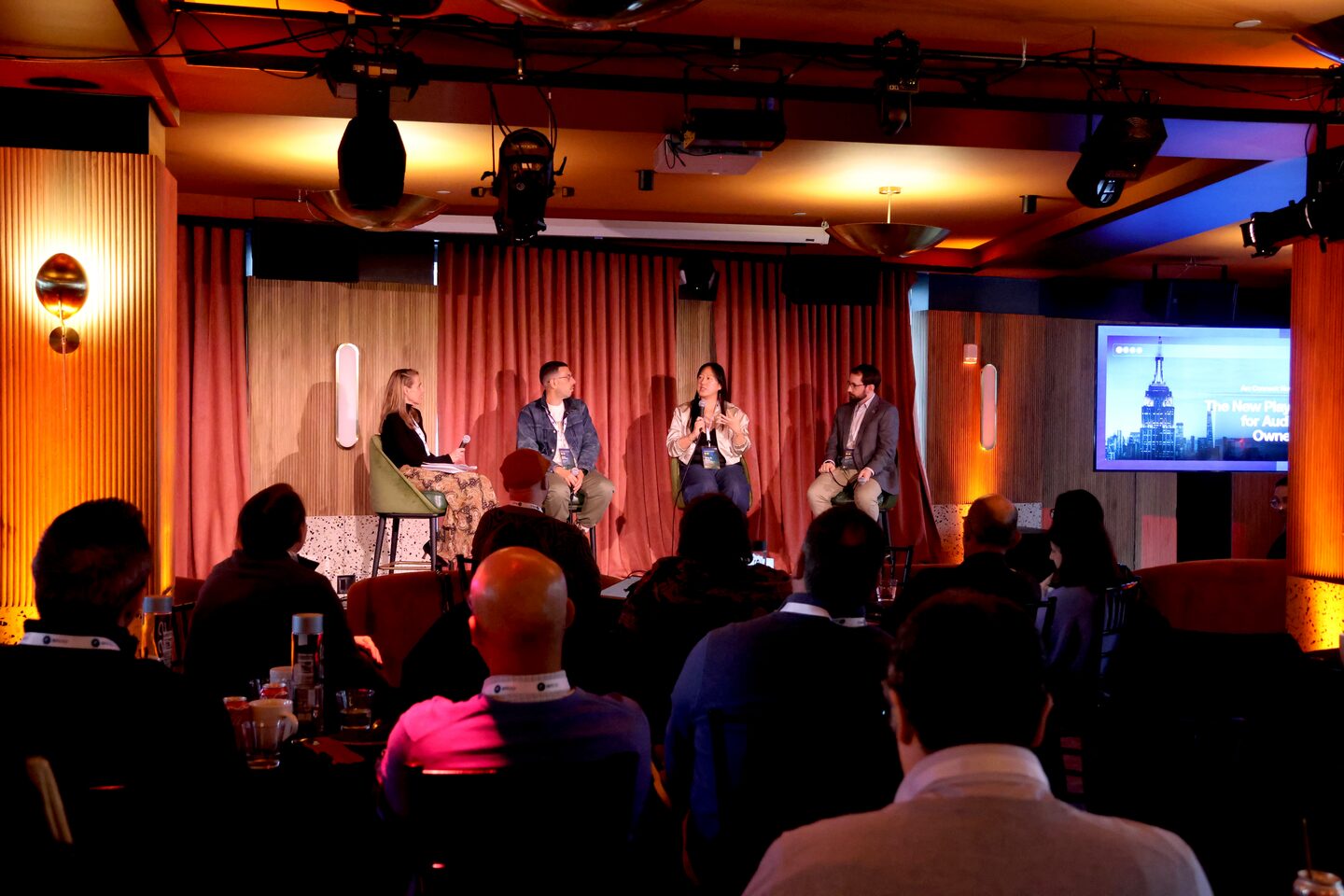
Moderated by Jennifer Leire, CCO at Arc XP, the conversation brought together three very different perspectives:
- Amy S. Choi, Co-Founder & Editorial Director, The Mash-Up Americans
- Christian Ross, VP of Product & Technology, Deseret News
- Craig Elimeliah, Chief Creative Officer, Code and Theory
Together, they unpacked what audience ownership actually means now, what’s getting in the way, and what media leaders must do next if they want durable relationships instead of disposable reach.
First, Let’s Get Honest About “Audience Ownership”
The panel opened with a deceptively simple question: What does audience ownership mean to you?
Christian Ross set the tone from a legacy newsroom perspective. Deseret News is celebrating its 175th anniversary, which brings both pride and pressure. For Christian, ownership isn’t about control, it’s about loyalty.
“Our goal is to build a fiercely loyal audience—people who value us enough to share us.” That loyalty, he argued, is what creates stability in an otherwise chaotic media environment.
Amy S. Choi challenged the premise outright. “I don’t believe in audience ownership. I believe in community.”
For The Mash-Up Americans, the only truly owned audience is email—direct, unmediated, and intentional. Everything else is reach, not relationship. The real work is building a community that chooses to participate.
Craig Elimeliah reframed the idea through experience design. “Ownership today is really co-ownership.”
Audiences don’t want to be captured; they want agency. With AI making personalization finally real, Craig argued that the future belongs to organizations that design experiences audiences can shape themselves.
Different language. Same underlying truth: ownership without trust, value, and participation is meaningless.
The Biggest Barrier Isn’t Technology. It’s People.
When the conversation shifted to barriers, the answer was immediate and uncomfortable.
“It used to be technology. Now it’s people.” — Craig Elimeliah
The tools are here. The cost is lower than ever. The real blocker is organizational behavior: silos, fear, inertia, and outdated assumptions about who owns what.
Craig sees this across the biggest brands in the world. Everyone has access to the same AI models now. Differentiation no longer comes from tools, it comes from creativity and collaboration.
Amy echoed this from a different angle. Having built a company outside legacy media, she sees how deeply old rules still shape thinking. “The people who are the barrier are often us.”
Her warning was clear: fear of AI leads to paralysis, while misuse of AI leads to slop (content that looks polished but lacks human intent, creativity, or care.)
Christian offered a rare note of optimism from inside legacy media. The disruption itself has forced clarity. “People can’t argue for pageviews at any cost anymore.”
When survival is on the line, consensus becomes easier. At Deseret News, the shift to audience-first thinking, grounded in user needs and editorial intent, has helped align teams that once operated in parallel.
Crisis, it turns out, can be a powerful unifier.
AI Isn’t the Strategy. Experience Is.
AI was never treated as a buzzword on this stage. It was treated as infrastructure.
Craig described how Code and Theory thinks about AI through one lens: time.
- When should AI help people spend more time because it’s valuable?
- When should it help people spend less time because friction is pointless?
One standout example was an AI product built with RealClearPolitics called Context Lens. Instead of sending readers down endless external rabbit holes, the tool lets users explore depth and context directly within the article.
“The best prompt is behavior. We look at what people are doing. We look at how they’re behaving and then you start to think to yourself how can we wrap that behavior with a tool that enhances that behavior or brings more value to the experience based on what we’re observing.”
Watch what audiences do, then build tools that amplify that behavior rather than interrupt it.
Amy shared how AI is expanding, not replacing, human storytelling. Translation has become a powerful lever for a multilingual, multicultural audience. Original work can now travel farther, faster, without sacrificing quality because humans remain in the loop.
But she drew a hard line. “AI should fuel creativity, not replace it.”
What worries her most is premium content turning into automated output—what the panel bluntly called slop. Content that hasn’t been shaped, questioned, or elevated by humans degrades trust fast.
Christian offered a candid assessment: Deseret News has focused first on internal AI adoption, reshaping workflows across generations of journalists. Customer-facing personalization is coming next, but with guardrails. “We’re not trying to out-Instagram Instagram.”
The goal is relevance without abandoning editorial voice or shared reality.
Why Trust and Credibility Determine Who Wins AI Distribution
As the session closed, the advice turned philosophical and urgent.
Amy warned against lowering standards to chase scale. “Accommodating the lowest common denominator is not it.”
In a fragmented media environment, human judgment, live experiences, and shared spaces matter more, not less.
Christian grounded the future in one word: trust. “Trust is the currency of the future.” No matter how news is consumed, via agents, feeds, or formats not yet invented, audiences will return to sources they believe will help them make sense of the world.
Craig pushed the idea one step further: credibility. Not just credibility with audiences, but with machines. AI agents don’t just evaluate content. They evaluate signals: consistency, authority, behavior, reputation. Credibility is no longer something you claim, it’s something continuously assessed.
“You’re now competing for the attention of machines as much as humans.”
It sounds daunting. It’s also clarifying.
The Takeaway: Ownership Is Earned, Not Claimed
This session didn’t offer a shortcut. It offered a reset.
Audience ownership today means:
- Breaking internal silos before chasing external growth
- Using AI to enhance human creativity, not replace it
- Designing experiences audiences help shape
- Investing relentlessly in trust and credibility
Rented reach is easy. Lasting relationships are hard.
But as this panel made clear, the organizations willing to do the harder work now are the ones still standing, and still relevant, next year, and the next 175 after that.
Recent resources